
CROSSEU Highlights the Importance of Social Impacts in Climate Risk Assessment at EU Green Week 2026
2026-07-02
CROSSEU participated in the EU Green Week 2026 webinar Climate Risks and Biodiversity for European Resilience and a Nature-Positive Economy, alongside fellow Horizon Europe projects SPARCCLE and ACCREU. The event brought together researchers, policymakers, financial-sector representatives and practitioners to explore how climate and biodiversity risks can be better integrated into decision-making for a resilient and sustainable future.
Representing CROSSEU, Professor Kirsten Halsnæs (Technical University of Denmark) presented the project's work on assessing the socioeconomic impacts of climate hazards across European hotspots, with a particular focus on impacts that are often difficult to quantify through conventional climate risk assessments.
A key message from the presentation was that climate hazards can have significant social consequences that are not always reflected in economic damage estimates. These impacts can influence societal priorities and adaptation needs, making them essential components of climate risk assessments.
CROSSEU has developed and tested approaches to better capture these dimensions by incorporating higher-resolution social indicators, including income levels, age, education and equity considerations. The project has also explored the use of equity weighting methods, allowing climate impacts to be assessed in relation to income distribution within affected communities.
The presentation highlighted how stakeholder engagement and local surveys have revealed place-specific social vulnerabilities that may otherwise remain overlooked. These insights provide valuable evidence that can support the upscaling of local findings to inform regional and European climate adaptation planning.
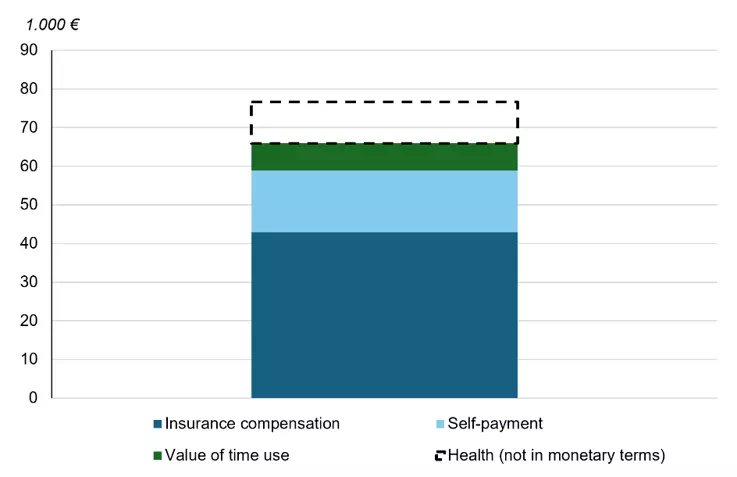
Another area of innovation is the use of insurance data to better understand damage coverage and recovery potential, helping to build a more complete picture of climate risk and resilience.
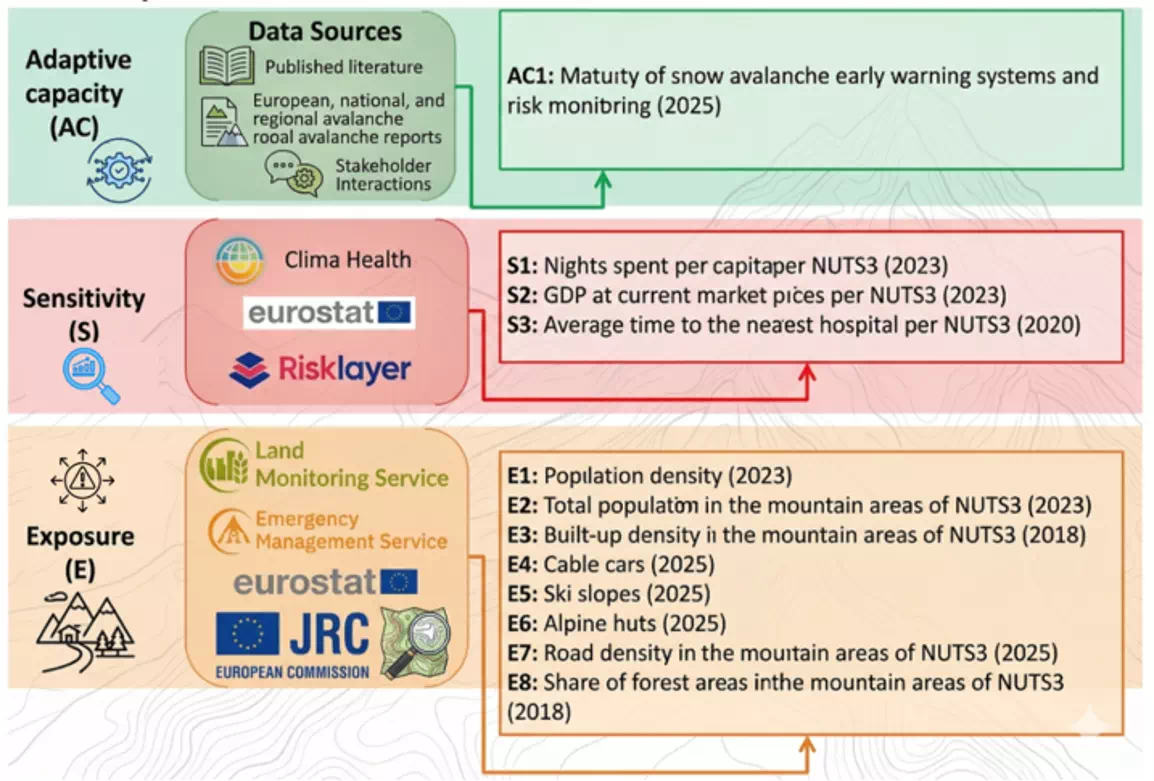
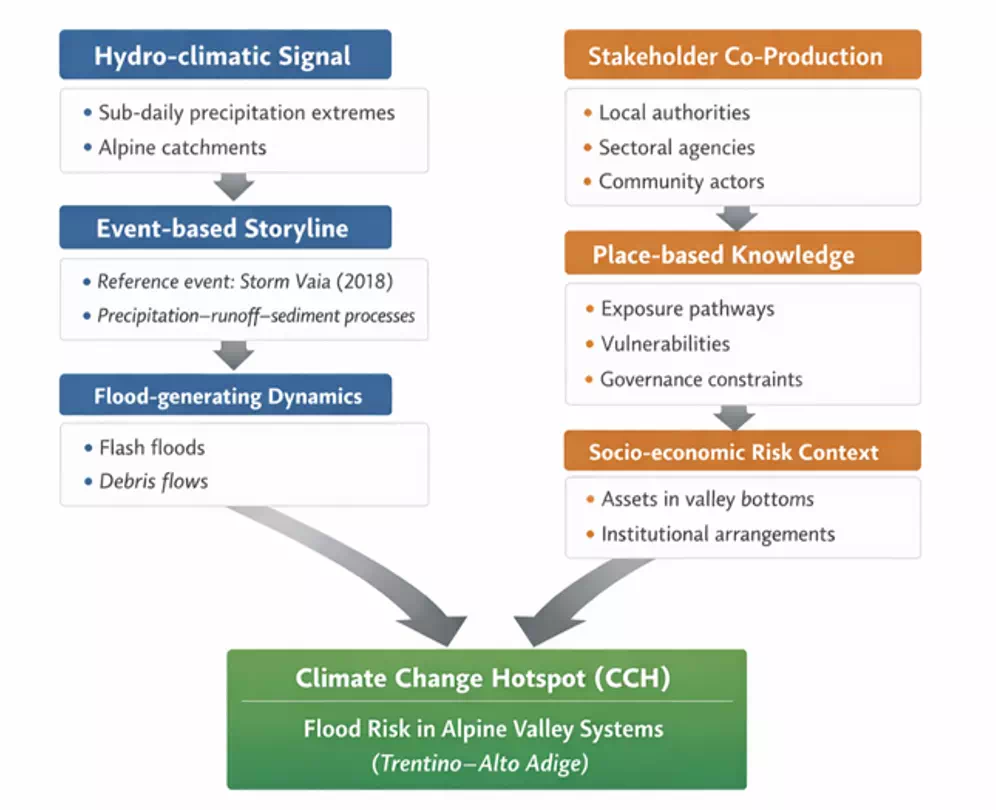
Case studies presented from across Europe demonstrated how these methodologies can be applied in practice, including assessments of snow avalanche risks in Alpine and Carpathian regions, flooding in Northern Italy, and storm surge impacts in Denmark. Together, these examples illustrate the value of combining climate, socioeconomic and stakeholder information to improve risk assessments and adaptation decision-making.
The presentation highlighted several important lessons for climate adaptation planning. Social impacts can be highly significant even when economic losses appear relatively limited, underscoring the need for risk assessments that capture broader societal consequences. Incorporating indicators such as income, age, education and equity considerations can provide a more complete understanding of vulnerability, while stakeholder engagement helps identify local realities that may not be reflected in conventional datasets. The discussion also highlighted the potential of insurance data to improve understanding of damage coverage and recovery capacity, alongside the importance of considering impacts on non-market values such as quality of life, cultural heritage and nature.
Looking ahead, CROSSEU will continue to explore how insights from local case studies can be scaled up to support climate adaptation planning across Europe, including through collaboration and knowledge exchange with fellow Horizon Europe projects ACCREU and SPARCCLE. By integrating social, economic and environmental dimensions of climate risk, CROSSEU is contributing to more robust evidence for policymakers seeking to build a climate-resilient and nature-positive Europe.
What to read next
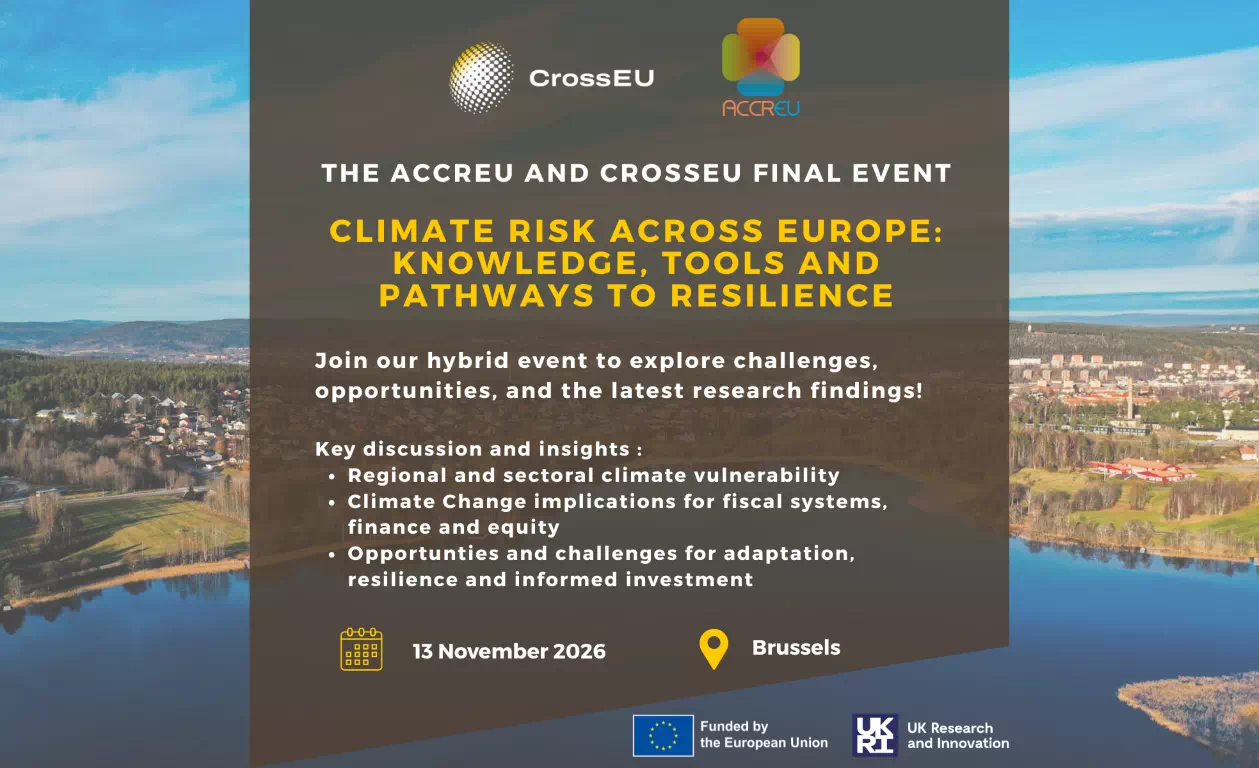
ACCREU and CROSSEU Final Conference - Climate Risk Across Europe: Knowledge, Tools and Pathways to Resilience
Join the ACCREU and CROSSEU final hybrid event to explore climate vulnerability, the implications of climate change for finance and equity, and pathways towards adaptation and resilience.
CROSSEU Highlights the Importance of Social Impacts in Climate Risk Assessment at EU Green Week 2026
CROSSEU participated in the EU Green Week 2026 webinar Climate Risks and Biodiversity for European Resilience and a Nature-Positive Economy, alongside fellow Horizon Europe projects SPARCCLE and ACCREU.
CROSSEU Policy Brief under way: Climate Change
As the CROSSEU project progresses, its research findings are being translated into practical outputs that support evidence-informed climate action across Europe.