
From Physical Risk to People-Centred Resilience: Highlights from EGU 2026
2026-06-30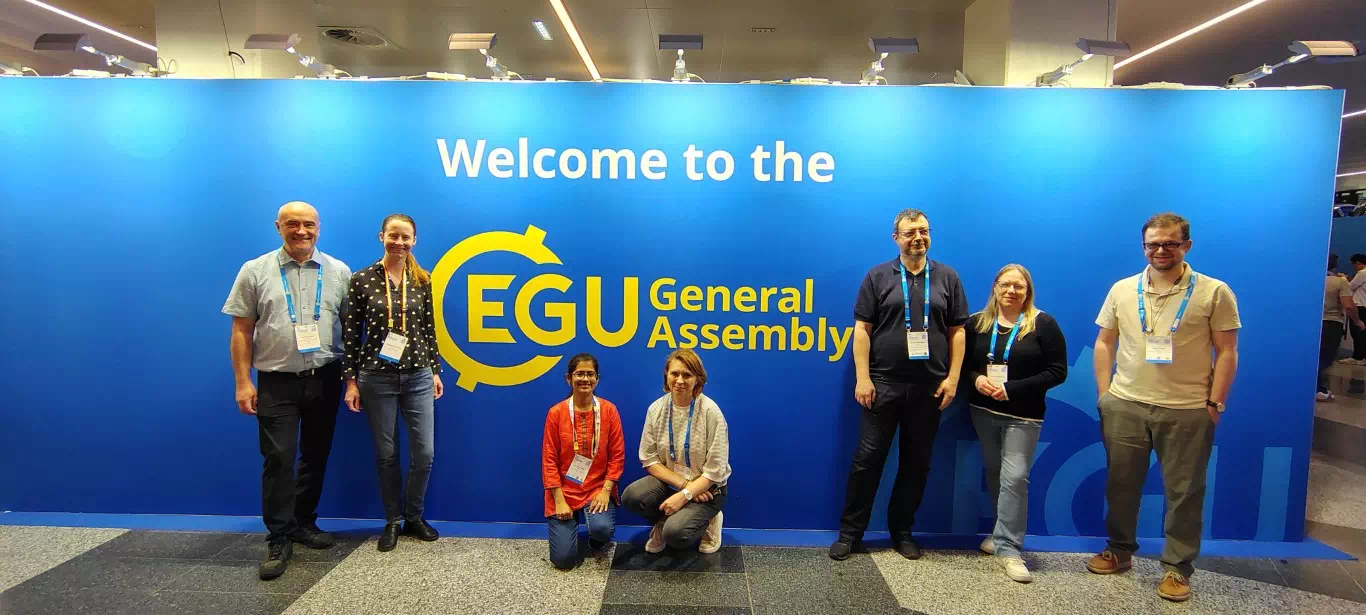
As climate risks become increasingly interconnected, understanding vulnerability requires looking beyond physical hazards alone. The session on “Beyond Physical Risk: Assessing Socio-Economic Vulnerability and Actions for Climate Resilience’’ at the EGU conference this year explored how integrating social, economic, and institutional dimensions into climate risk assessments can support more equitable and effective adaptation strategies. Bringing together diverse case studies and methodological innovations, the session highlighted the importance of people-centred approaches for building long-term climate resilience.
The core objective of session was to bridge the critical gap between hazard-focused risk identification and human-centered focused risk identification alongside actionable climate adaptation strategies. Recognising that physical exposure is only the first step in risk management, the session aimed to elevate granular assessments of inequalities, social and economic vulnerabilities, and localized adaptive capacities and capabilities across multiple levels of governance.
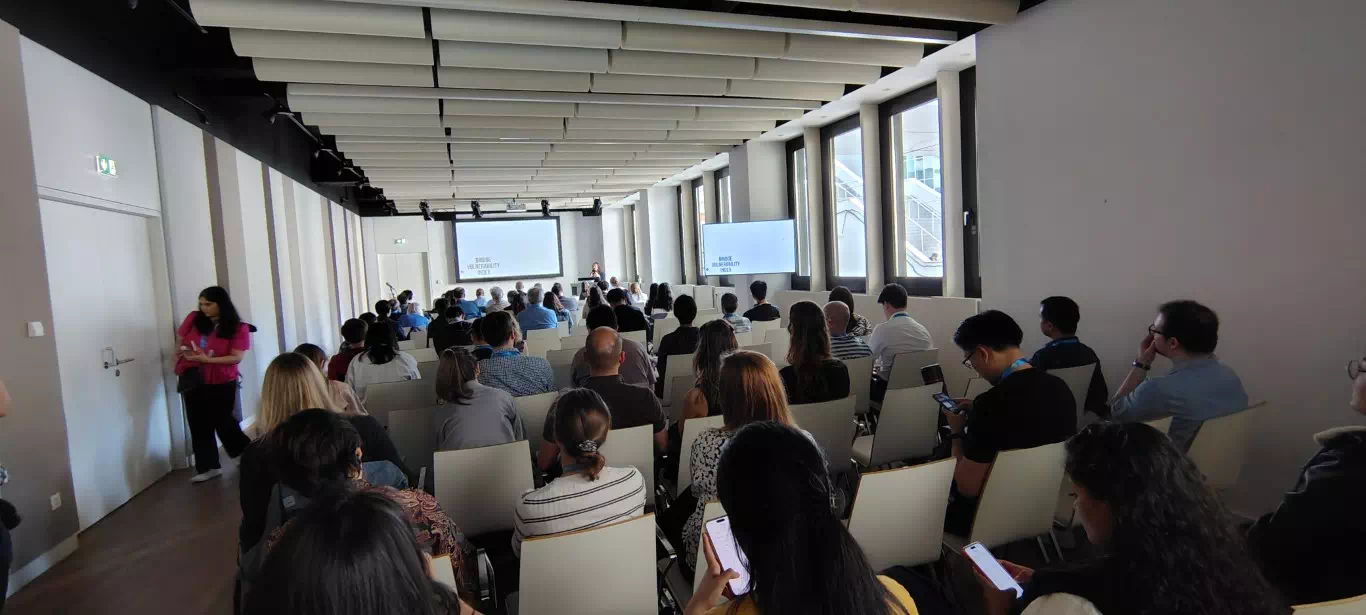
The agenda encompassed diverse methodological advancements and empirical insights. Presentations detailed systemic assessments of agricultural and labour productivity shocks, Earth Observation innovations for vulnerability mapping, and institutional resilience. Sectoral risks highlighted included global hydropower shortfalls, bridge vulnerabilities, and health vulnerabilities such as heat and cold mortality. Crucially, several talks introduced co-created, open-source decision-support systems and collaborative modelling platforms designed to facilitate socially aware climate policy.
The discussions were deeply relevant to equitable climate action, demonstrating how traditional damage-cost metrics can be expanded to capture multifaceted human impacts, including livelihoods, health, and well-being. Presentations challenged conventional risk pooling and hazard-centric funding models, proving that prioritizing hazard data alone can yield racially or socio-economically inequitable mitigation outcomes. By centering on equitable solutions, machine learning frameworks for heat adaptation, and macro-level welfare benefits, the session advanced localized adaptation pathways aligned with systemic climate resilience.
The session attracted strong engagement, successfully combining oral presentations, interactive poster sessions and dedicated virtual poster discussions. With significant participation from Early Career Scientists (ECS) and global array of case studies ranging from European metropolitan regions to coastal ecosystems in India, the session fostered a rich interdisciplinary dialogue. The ultimate outcome was a significant advancement of the science–policy interface, offering tangible, impact-driven tools to co-produce transformative adaptation pathways for regional contexts worldwide.
Shreya Some
What to read next
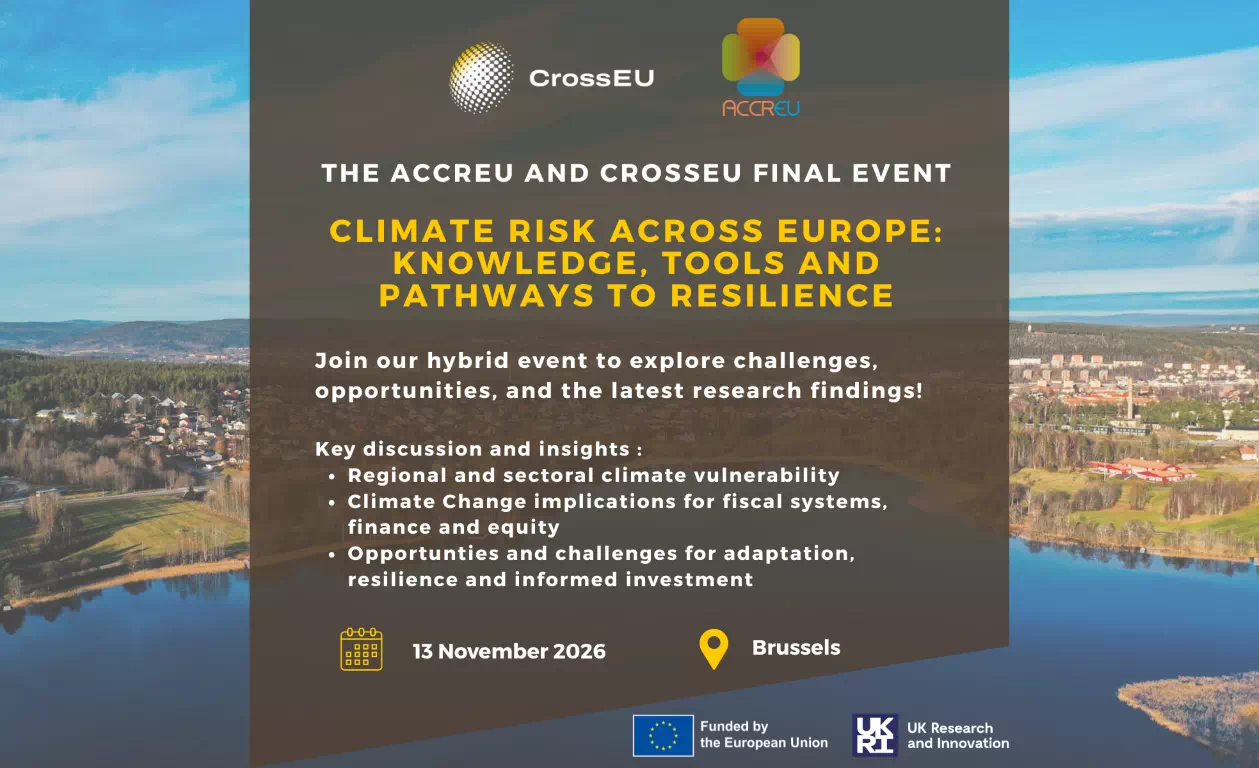
ACCREU and CROSSEU Final Conference - Climate Risk Across Europe: Knowledge, Tools and Pathways to Resilience
Join the ACCREU and CROSSEU final hybrid event to explore climate vulnerability, the implications of climate change for finance and equity, and pathways towards adaptation and resilience.

CROSSEU Highlights the Importance of Social Impacts in Climate Risk Assessment at EU Green Week 2026
CROSSEU participated in the EU Green Week 2026 webinar Climate Risks and Biodiversity for European Resilience and a Nature-Positive Economy, alongside fellow Horizon Europe projects SPARCCLE and ACCREU.
CROSSEU Policy Brief under way: Climate Change
As the CROSSEU project progresses, its research findings are being translated into practical outputs that support evidence-informed climate action across Europe.